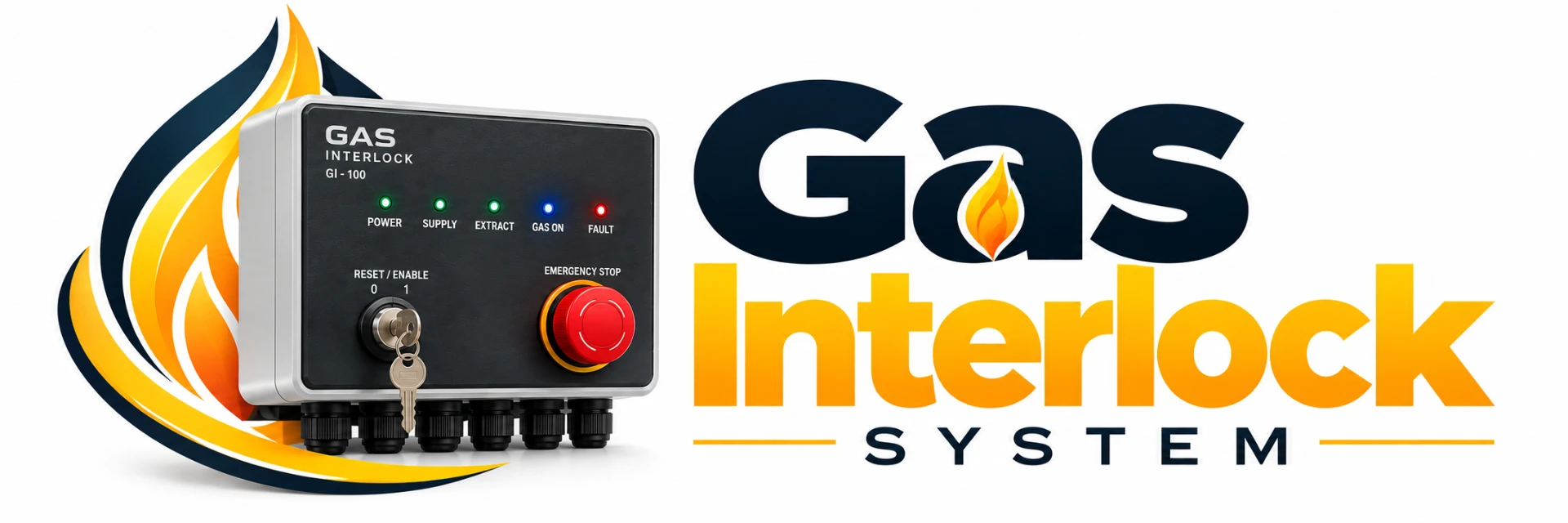
RM10 · Gas Safe registered
Gas interlock system installation in RM10
We supply, install, wire and certify commercial gas interlock systems in RM10. Panels, solenoid valves and air pressure switches are carried in stock, helping commercial kitchens return to safe operation without unnecessary delay.
- Commercial kitchen engineers for RM10
- Interlock panel, valve and sensor stock on the van
- BS 6173 / IGEM/UP/19 certificate issued on completion
Quick answer
Yes, we install, repair and service commercial gas interlock systems in RM10. Our Gas Safe registered engineers fit and test interlock panels, gas solenoid valves, air pressure switches and gas proving to BS 6173 and IGEM/UP/19, with same-day emergency call-outs. Interlock systems, solenoid valves and air pressure switches are in stock on our vans.
- Standards
- BS 6173, IGEM/UP/19, IGEM/UP/11
- In stock
- Interlock panels, gas solenoid valves, air pressure switches
- How to book
- Call 020 8935 5572 or book online, 24/7
System architecture
Interlock installation in RM10
Commercial kitchens in RM10 need a dependable link between the gas supply and mechanical ventilation. The installation follows one clear safety principle: gas is released to cooking appliances only after the extract and make-up air systems have been proved to be operating correctly. If ventilation stops or a safety device is activated, the gas valve closes automatically.
Our engineers survey the kitchen, size the solenoid valve to the existing gas pipework (commonly 28mm, 35mm or a flanged valve on larger ranges), fit the interlock control panel where staff can reach the reset and emergency stop, and wire the airflow proving devices back to the panel. The system is then tested, commissioned and certificated.
- Site survey and gas supply assessment
- Interlock control panel supplied and fitted
- Normally closed gas solenoid safety shut-off valve
- Air pressure / airflow proving switches and current sensors
- Emergency stop buttons at kitchen exits
- Commissioning, gas soundness test and certification
Emergency call-outs in RM10
A tripped interlock can stop an entire cooking line. For urgent jobs in RM10, the engineer works through the safety chain methodically rather than repeatedly resetting the panel. Power, fan proving, pressure switches, current sensors, emergency stops, fire-alarm contacts, valve voltage and the gas solenoid are checked in sequence. This identifies the failed part while preserving every safety function.
The aim is a first-visit repair whenever safe and practical. Common panels, valves, pressure switches and thermocouples are stocked on the van. If a specialist component is required, the engineer makes the installation safe, explains the exact fault and provides a clear repair plan before leaving.
- Planned installations booked to suit trading hours, including nights and weekends
- Emergency attendance for kitchens with no gas — same day wherever possible
- Replacement panels, valves, pressure switches and thermocouples carried in stock
- Out-of-hours access, permits and RAMS handled for managed sites
Compliance and certification for RM10
Installations are carried out to BS 6173 (installation of gas appliances in catering establishments) and IGEM/UP/19 (design and application of interlock devices), by engineers holding the relevant commercial catering and Gas Safe qualifications.
For work completed in RM10, you receive a commissioning record and interlock test certificate for the site gas safety file. The record confirms the safety sequence was tested, including ventilation proving, emergency shutdown, valve closure and controlled reset. It gives responsible staff a clear maintenance record and supplies the evidence commonly requested by an environmental health officer, insurer, landlord or facilities manager.
What happens on the day in RM10
The engineer arrives at the agreed time with the panel, valve and proving devices on the van. The gas supply is isolated, the solenoid valve is fitted into the supply pipework, and the interlock panel is mounted where your staff can reach the reset and where the status lights are visible from the cooking line.
The airflow proving devices are then fitted to the extract and make-up air fans and wired back to the panel, along with the emergency stop buttons at the kitchen exits. Once everything is connected, the system is commissioned live: the fans are run, the gas is proved and released, and each safety function is tested in turn — fan failure, emergency stop and panel reset.
Before leaving, the engineer walks your team through normal operation and what to do if the panel trips, then hands over the commissioning record and certificate. Most single-kitchen installations in RM10 are completed within one working day. Timing is confirmed after the survey so isolation, testing and handover can be planned around the site's service periods.
Commercial kitchens we support in RM10
The kitchens we support in RM10 span the full range of commercial catering. Restaurants, takeaways and gastropubs make up much of the work, alongside hotel and banqueting kitchens, education catering, care facilities, staff restaurants and contract-catered workplaces. The system design is based on the appliances, gas load, ventilation arrangement and operating pattern found at the individual site.
Each sector has its own pressures. Schools and care homes need work planned around service times and safeguarding requirements; hotels and banqueting suites often need overnight working and permits; takeaways and dark kitchens need the fastest possible turnaround because every hour off gas is lost revenue. The installation approach is adjusted to suit, and out-of-hours working is quoted as part of the job rather than as a surprise extra.
Parts carried in stock
Because most interlock call-outs are resolved on the first visit, the vans carry the parts that actually fail: replacement interlock control panels, normally closed gas solenoid valves in the common sizes, differential air pressure switches, quick-release gas catering hoses and super universal thermocouples.
That stock matters when a kitchen is off gas. A failed pressure switch or a burnt-out panel can be swapped on the spot rather than leaving you waiting days for a part, and a full replacement system can be fitted from van stock where the existing installation is beyond economic repair.
Surveying an existing system in RM10
Not every site in RM10 needs a completely new system. A survey starts by identifying the existing panel, valve, fan controls and proving method. The engineer checks whether the equipment is correctly rated, whether alterations have bypassed any protection and whether the system fails safely when power or airflow is lost. Wiring condition, labels, emergency-stop positions and access for future maintenance are also reviewed.
Where the core installation remains suitable, targeted replacement may be the best option. A failed panel can often be changed while retaining a sound valve and proving devices, or an unreliable pressure switch can be replaced without disturbing the gas pipework. Where several parts are obsolete, incorrectly sized or poorly installed, a complete replacement can offer better value and a more reliable result. The quotation separates essential safety work from optional improvements so the decision is straightforward.
Ongoing servicing in RM10
Annual servicing helps businesses in RM10 find worn or drifting components before they interrupt trading. The visit includes a functional test of the complete interlock sequence, confirmation that each fan is genuinely proved, operation of every emergency stop, verification that the gas valve closes when required and inspection of the panel for heat damage, loose terminals or unclear indications.
The engineer records the result, explains any defect in plain language and provides a quotation where remedial work is needed. Staff should never bypass a switch or repeatedly force a reset to keep cooking. Those actions can defeat the purpose of the system and conceal a ventilation or gas-control fault. A controlled diagnosis protects people, equipment and the site's compliance record.
Booking work in RM10
To arrange a visit in RM10, provide the site contact, the type of kitchen, the panel make if visible and whether the gas is currently available. Photographs of the control panel, valve and any displayed fault lights can help the office allocate the right engineer and parts. For a planned installation, a short survey confirms the scope and leads to a written fixed quotation.
For an emergency, state that the kitchen is off gas when booking. You will receive an attendance window rather than an unrestricted all-day appointment. Access restrictions, induction requirements and preferred working hours can be recorded in advance. The engineer will still complete safety checks before restoring gas; speed never means bypassing the interlock or leaving an unverified system in operation within the postcode district.
Frequently asked questions
Do you install gas interlocks in RM10?
Yes. We provide surveys, new installations, replacements, servicing and emergency fault diagnosis for commercial kitchens in RM10.
How long does a gas interlock installation take in RM10?
A typical single-kitchen installation is completed in one working day. Larger kitchens, multiple valves or new ventilation controls can take two days, and we can work overnight to avoid closing the kitchen.
Is a gas interlock a legal requirement?
Where a commercial kitchen has mechanical ventilation and gas appliances, an interlock is required in practice by BS 6173 and expected by Gas Safe engineers, environmental health and insurers. Without one, a gas engineer can class the installation as at risk.
Can you install on an existing extraction system?
Yes. In most cases the existing extract and make-up air fans are retained and we add proving devices, the interlock panel and the gas solenoid valve. If airflow is inadequate we will tell you what needs putting right.
How much does a gas interlock cost in RM10?
A typical single-kitchen system — panel, solenoid valve, proving devices, emergency stops, installation and certification — is quoted as a fixed price after a short survey, and most standard kitchens fall within a predictable range. Larger ranges, multiple valves or ventilation upgrades change the price, which is why we survey first and quote in writing.
Do you also service and repair interlocks in RM10?
Yes. Alongside new installations we carry out annual interlock servicing and testing, fault call-outs for tripping or dead panels, CP42 gas safety certification, and replacement of failed valves, pressure switches and panels — usually from van stock in a single visit.
Related guides
Parts in stock — ready to fit
Held in UK stock and carried on our vans, so most jobs are fixed in one visit.
Replacement gas interlock systems
Complete panels & kits ready to fit
In stock today
Air pressure switches
Fan & gas proving pressure switches
In stock today
Gas solenoid valves
Normally closed safety shut-off valves
In stock today
Quick release gas catering hoses
Commercial ranges, bays & mobile catering
In stock today
Super universal thermocouples
Fits most commercial gas appliances
In stock today
Need a part fitted?
Same-day engineer dispatch with these parts on the van.
Gas Safe Registered
Commercial catering & plant
24/7 UK Response
Same-day emergency dispatch
Vetted Engineers
DBS checked for schools & care
Transparent Pricing
Fixed callout, quoted parts