
Gas Safe · Commercial kitchens
Gas Interlock System Installation
We install, repair and upgrade gas interlock systems for restaurants, takeaways, hotels, schools and every catering kitchen.
- Gas Safe registered engineers
- London, Surrey & M25
- Same-day fault response
Installation
New gas interlock systems for every commercial kitchen.
View service →Solenoid valves
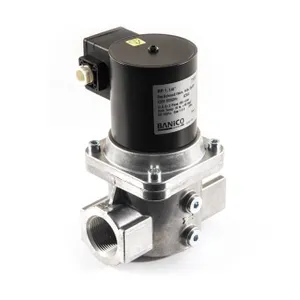
Supply, fit and replace gas shut-off valves.
View service →Proving systems
Gas proving and automatic valve control.
View service →CO₂ monitoring
CO₂ monitors and alarms for kitchens.
View service →Gas detection
Natural gas and LPG detection.
View service →Fan interlocks
Linked to your mechanical ventilation.
View service →Quick answer
What is a gas interlock system?
A gas interlock system links the gas supply in a commercial kitchen to its ventilation. Gas can only flow while the extract and supply fans are proven to be running; if airflow fails or an emergency stop is pressed, a normally-closed gas solenoid valve shuts the gas off automatically. BS 6173 requires one wherever mechanical extraction is fitted.
Interlock panels, gas solenoid valves and air pressure switches are in stock for same-day installation and repair.
If it’s not safe, the gas stays off
An interlock only lets gas reach your appliances once the extraction is proved running and every safety check passes.
Step 1
Fan runs
Step 2
Airflow proved
Step 3
Checks pass
Step 4
Gas on
- Protects your staff
- Meets BS 6173
- Keeps you trading
Interlock not working?
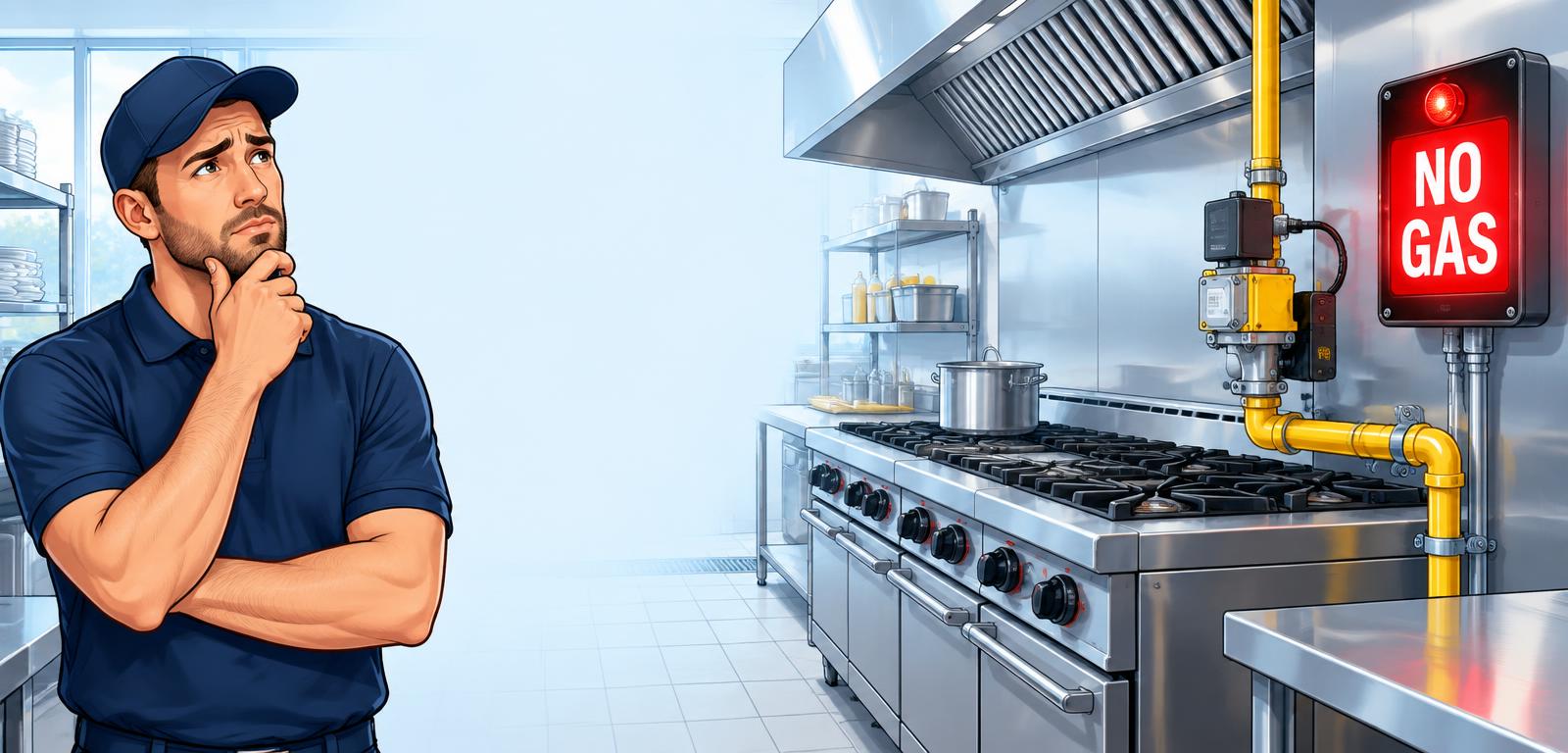
- Gas valve won’t open
- Fan not proving
- Interlock panel fault
- CO₂ or gas detector alarm
- Emergency stop activated
- Electrical / control fault
Complete safety package
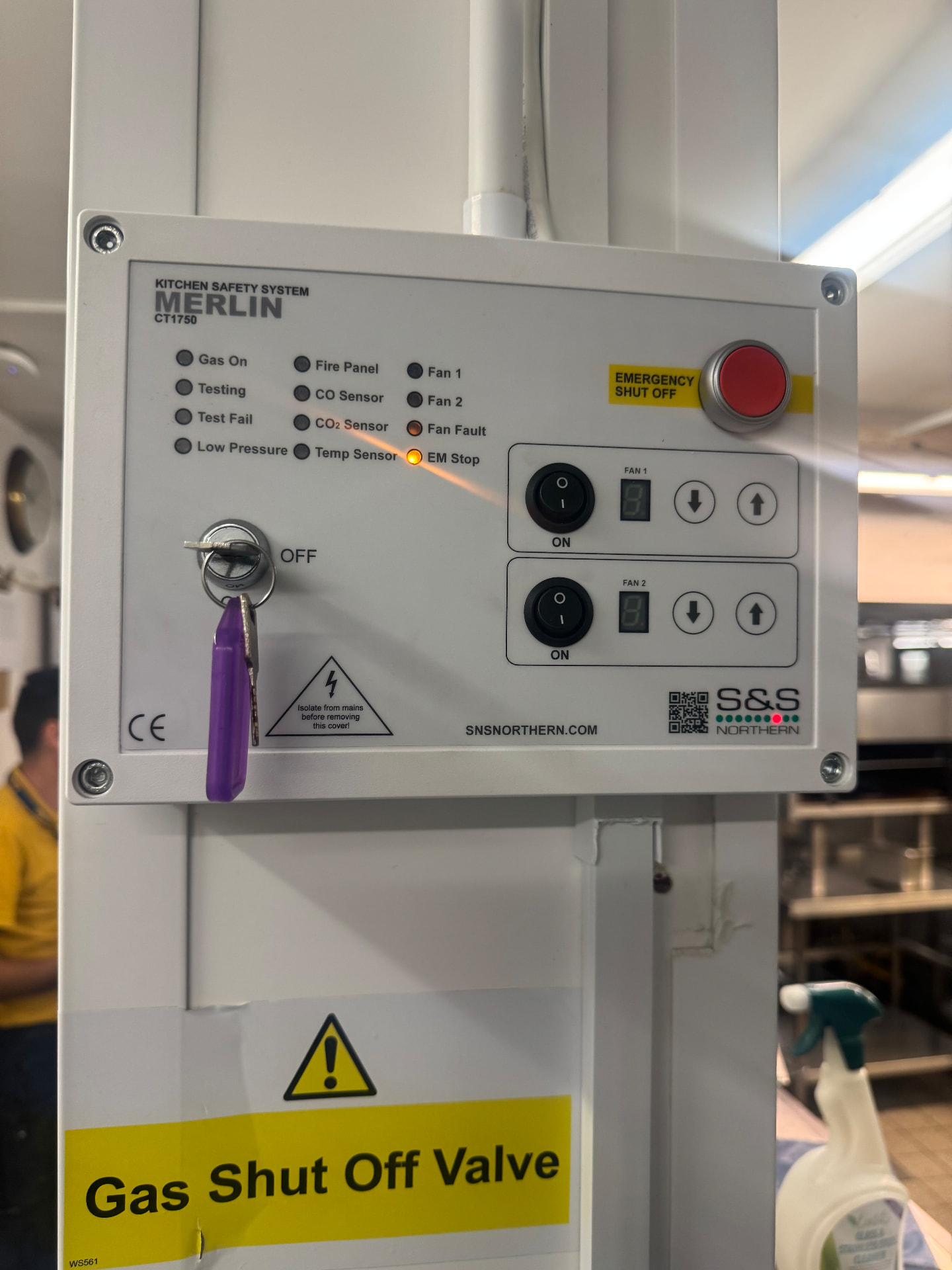
Interlock system, supplied & fitted
Browse our products
Interlock panels, solenoid valves and spares — supplied and fitted, or posted to your engineer.
Who we install for
Need a CP42 certificate too?
Combine your interlock work with a commercial catering gas inspection.
About CP42 →Commercial gas safety guidance
A complete approach to commercial kitchen gas interlock safety
A gas interlock system is a safety control arrangement that prevents gas from reaching commercial catering appliances unless the required ventilation and safety conditions are satisfied. It normally connects the extraction system, airflow or fan proving, interlock controller, emergency stop and automatic gas solenoid valve. Depending on the premises, it can also receive signals from carbon dioxide, carbon monoxide, natural gas or LPG detectors. If a required condition is lost, the controls close the valve and stop the gas supply rather than allowing appliances to continue operating unsafely.
What a professional installation covers
A reliable installation begins with the kitchen, not a pre-selected box. The engineer should establish the gas load, appliance arrangement, incoming pipe size, valve position, extraction controls and the method used to confirm airflow. Existing wiring, emergency stops and detector interfaces must also be checked. This survey determines whether the system needs simple fan interlocking, pressure proving, gas detection, or a combination of controls. It also helps avoid common problems such as an undersized valve, nuisance shutdowns, poor sensor positioning or a controller that cannot support the equipment already on site.
- Survey of appliances, pipework, ventilation and existing controls
- Correctly sized gas solenoid valve and control panel
- Fan or airflow proving appropriate to the extraction system
- Emergency stop, detector and sensor connections where required
- Functional testing, commissioning and a clear handover
- Advice on servicing, records and future maintenance
BS 6173, IGEM/UP/19 and CP42
Commercial catering gas work must be assessed against the actual installation and the standards that apply to it. BS 6173 addresses gas-fired catering appliances and the safety relationship between gas supply and mechanical ventilation. IGEM/UP/19 provides industry guidance for the design and application of interlock systems. A CP42 record relates to commercial catering gas safety inspection and should not be confused with the commissioning record for the interlock controls themselves. Our engineers consider the complete arrangement so the panel, valve, ventilation and appliances operate as one safety system.
Requirements vary between kitchens. Appliance type, ventilation design, room layout, fuel, occupancy and the age of the installation can all affect the correct solution. Online guidance is useful for understanding the system, but it cannot replace an inspection by a suitably qualified Gas Safe registered commercial engineer.
Read the gas interlock regulations guideRepairs and fault finding
When gas will not turn on, the fault may be the extraction fan, airflow switch, pressure tube, emergency stop, detector, controller, wiring or solenoid valve. We test the sequence safely instead of bypassing a safety device. Repeatedly resetting a panel without finding the cause can conceal an intermittent ventilation or control fault and should be avoided.
Start the interlock fault finderServicing and planned checks
Planned servicing helps identify damaged emergency stops, blocked pressure tubes, contaminated sensors, loose electrical connections and slow or sticking valves before they interrupt service. A visit should test shutdown functions and confirm that gas cannot remain available when a required safety condition is lost. Records also give operators a useful history of defects and remedial work.
View interlock servicingEmergency gas shutdown
If you smell gas, do not operate electrical switches, create a flame or attempt a repair. Turn off the supply only if it is safe and you know how, move people away, ventilate where safe, and call the National Gas Emergency Service on 0800 111 999. Once the immediate danger is controlled, we can investigate the commercial interlock or shut-off system and arrange the appropriate repair.
Call 020 8935 5572Kitchens, schools, care homes and plant rooms
We support restaurants, takeaways, pubs, hotels, production kitchens, schools, colleges, care homes and other managed catering sites. We also work with facilities teams where gas detection, proving and automatic shut-off are required in plant rooms or service areas. Each environment has different operating pressures: a restaurant may need a fast repair before service, while a school or care setting may require planned access, documentation and close coordination with site management.
Coverage includes London, Surrey and towns around the M25, with individual area guides showing the postcodes served. Same-day attendance may be available depending on the fault, location, access and parts required. Replacement interlock controls, air pressure switches, gas solenoid valves, catering hoses and universal thermocouples are commonly stocked, although an engineer must confirm compatibility and safe installation on site.
Check towns and postcodes coveredPlan your installation or repair
Tell us the postcode, business type, number of gas appliances and whether an extraction or interlock system is already installed. Photos of the panel, valve and kitchen layout can help us understand the job before attendance.